Vietnamese pajamas began as the traditional áo bà ba, a loose two-piece worn for rest and daily life in a hot climate. Today they have become soft, breathable everyday loungewear built for real comfort.
As a living Vietnamese loungewear brand, we at iBasic see this shift up close: not as costume, not as museum history, but as clothing you actually reach for. Read on and you'll learn exactly how tradition turned into what feels good to wear right now.
1. What are traditional Vietnamese pajamas, and where did they come from?
Traditional Vietnamese pajamas trace back to the áo bà ba: a loose, unstructured two-piece set of a long-sleeved top and wide trousers, usually cut from silk or cotton.
It grew up in southern Vietnam as everyday wear for work, rest, and home life, prized because it stayed cool and let the body move.
The genius of the original was its simplicity. The boxy cut skimmed the body instead of clinging to it, so air moved freely, an obvious advantage in a hot, humid country.
Silk and lightweight cotton wicked away heat, and the same set that carried someone through a working day also became what they relaxed and slept in at home.
That double duty is the key point. Long before anyone marketed "loungewear," the áo bà ba was already homewear, workwear, and sleepwear in one. When people search for vietnamese pajamas today, this heritage of easy, breathable comfort is the root they're really tracing.
2. How are modern Vietnamese pajamas different from the traditional style?
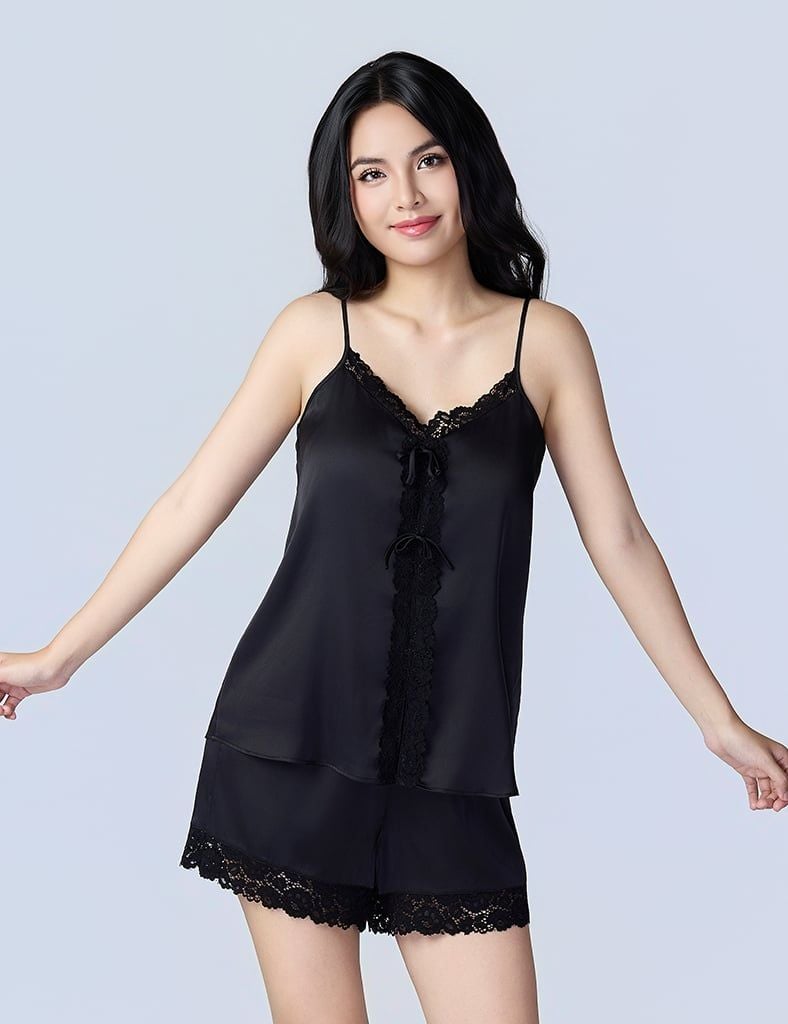
Modern Vietnamese pajamas keep the soft, breezy spirit of the áo bà ba but rebuild it with updated fabric, smarter fits, and easier care.
The look is cleaner and more versatile, while the comfort stays true to the original. In short, the feeling is preserved, the details are upgraded.
The biggest changes are in material technology and cut. Where tradition relied on silk and plain cotton, today's sets often use bamboo and modal for breathability plus durability.
Fits are refined rather than boxy, and machine-friendly fabrics replace delicate hand-wash-only cloth.
Here's a direct comparison:
| Aspect | Traditional (áo bà ba) | Modern Vietnamese pajamas |
| Cut / fit | Loose, boxy, one basic shape | Relaxed but flattering, functional shapes |
| Fabric | Silk, plain cotton | Bamboo, modal, cotton blends |
| Care | Often delicate, hand-wash | Easy machine wash, long-lasting |
| Occasion | Home, rest, daily wear | Sleep, WFH, lounging, going out briefly |
| Look | Heritage, uniform-like | Clean, styleable, everyday |

3. What changed as Vietnamese pajamas evolved?
Four shifts turned heritage dress into practical modern loungewear: fabric, fit, occasion, and care. Each one answered a real need of today's wearer while protecting the comfort that defined the original.
3.1. From loose silk to breathable bamboo and modal
The fabric story moved from pure silk to bamboo and modal blends.
These natural-based fibers are exceptionally breathable and moisture-wicking, so they suit hot, humid nights and sensitive skin.
You keep the cool, airy feel of silk but gain softness that survives everyday washing.

3.2. From one boxy cut to flattering, functional fits
The single loose shape gave way to fits that are still relaxed but far more wearable. Modern sets add gentle shaping, better proportions, and practical details like elastic waists and useful lengths.
3.3. From bedroom-only to WFH and lounge-anywhere
Vietnamese pajamas stepped out of the bedroom. Cleaner lines and calmer colors mean a set now works for working from home, running a quick errand, or relaxing on the sofa.
It's sleepwear that no longer looks like sleepwear the moment someone knocks on the door.

3.4. From hand-wash-only to easy, long-lasting care
Care got dramatically simpler. Where traditional silk demanded careful hand-washing, modern bamboo and modal blends handle regular machine cycles and stay soft over time.
Less fuss, longer life, and softness that holds up wash after wash make daily wear genuinely realistic.
4. How do you choose modern Vietnamese pajamas that keep the traditional comfort?
Choose by fabric first, then fit, then how you'll actually use the set. The right pair keeps the breezy, skin-friendly comfort of the áo bà ba while fitting your real routine.
Prioritize breathable natural fibers, a relaxed-but-flattering cut, and easy care, and you can't go far wrong.
Use this quick checklist:
- Breathable natural fiber: look for bamboo, modal, or a soft cotton blend for hot-humid comfort and gentle-on-skin wear.
- The right fit: relaxed through the body, with an elastic or adjustable waist so nothing digs in.
- Easy care: machine-washable fabric that stays soft, so the set lasts through frequent wear.
- Styling versatility: calm colors and clean lines you'd happily wear for sleep, WFH, and lounging.

When a set checks all four boxes, you get the heritage feeling of vietnamese pajamas in a form built for modern life. That balance of breathable fabric, kind fit, and effortless upkeep is exactly what we focus on across the iBasic loungewear collection.
Gợi ý cho nàng:
Frequently asked questions:
1. Are Vietnamese pajamas the same as the áo bà ba?
Not exactly. The áo bà ba is the traditional root: a loose silk or cotton two-piece from southern Vietnam.
Modern Vietnamese pajamas inherit its breezy, comfortable spirit but update the fabric, fit, and care for everyday use. Think of the áo bà ba as the origin and today's sets as its comfortable, wearable evolution.
2. What fabric are modern Vietnamese pajamas made from?
Most modern sets use bamboo, modal, or soft cotton blends instead of pure silk. These fibers are breathable, moisture-wicking, and gentle on skin, which makes them ideal for warm, humid nights.
3. Are Vietnamese pajamas good for hot, humid weather?
Yes, that's exactly what they were built for. The tradition grew out of Vietnam's hot climate, so airflow and cooling were priorities from the start.
Modern bamboo and modal versions push this further, wicking moisture and letting heat escape, so you stay comfortable and dry even on sticky, warm nights.
4. Can you wear Vietnamese pajamas outside the bedroom?
Absolutely. Modern sets are designed with cleaner lines and calmer colors, so they work well for working from home, lounging, or a quick errand.
5. How do you care for Vietnamese pajamas so they last?
Wash them gently but regularly. Modern bamboo and modal blends handle machine washing on a cool, mild cycle and air-dry beautifully.
Avoid harsh bleach and very high heat, which break down soft fibers. With that simple routine, a good set keeps its softness and shape through years of frequent wear.
6. Are Vietnamese pajamas a good gift idea?
They make a lovely gift. A breathable, well-made set suits almost everyone, carries a touch of Vietnamese heritage, and feels genuinely useful rather than novelty.
A message from iBasic:
From the áo bà ba to today's bamboo and modal sets, vietnamese pajamas have always been about breathable, easygoing comfort. The heritage stays; only the details got better.
If you'd like that same soft, cool feeling built for modern life, explore the iBasic loungewear collection and find the set that fits your everyday.