The best fabric for a sleep dress depends on what you want most from the night: cotton keeps things breathable, modal and bamboo pull heat and sweat away, while satin and silk add drape and a cool, luxurious glide. Each behaves differently against your skin over eight hours of sleep.
In this guide, iBasic maps every fabric to real sleep quality, not just looks, and gives you a side-by-side table so you can pick your ideal one in minutes. Read on before your next buy.
1. What makes a fabric right for a sleep dress?
A good sleep dress fabric wins on: breathability, moisture-wicking, softness against skin, and how it regulates temperature as you move.
- Breathability decides whether heat escapes or builds up under the fabric.
- Moisture-wicking matters if you run warm or sweat at night, because damp fabric clinging to skin is what actually wakes you.
- Softness reduces friction on sensitive areas, and good drape lets the dress skim the body instead of trapping air.
2. Cotton, modal, bamboo, satin or silk: how do the 5 sleep dress fabrics compare?
Cotton is the breathable everyday pick, modal is the silky-soft cooling option, bamboo is the sweat-fighter, satin brings glamour and glide, and silk is the temperature-regulating luxury.
There is no single winner, only the best match for your sleep habits. The table below scores all five so the trade-offs are clear at a glance.
| Fabric | Breathability | Softness | Moisture-wicking | Feel & drape | Best for |
| Cotton | High | Medium | Medium | Soft, relaxed | Everyday, all-season |
| Modal | High | Very high | High | Silky, light stretch | Sensitive skin, warm sleepers |
| Bamboo | Very high | High | Very high | Soft, cool | Night sweats, hot climates |
| Satin | Medium | High | Low to medium | Glossy, fluid drape | Special occasions, glamour |
| Silk | High | Very high | High | Cool, luxurious glide | Luxury, temperature swings |
2.1. Cotton, the breathable everyday workhorse
Cotton is the safe, comfortable default. Its natural fibres let air move freely, so it rarely feels stuffy, and it takes plenty of washing without fuss.
The trade-off is that heavy cotton holds moisture once you sweat, so a lightweight cotton weave is best for a sleep dress you wear often.
2.2. Modal, silky softness with a cooling touch
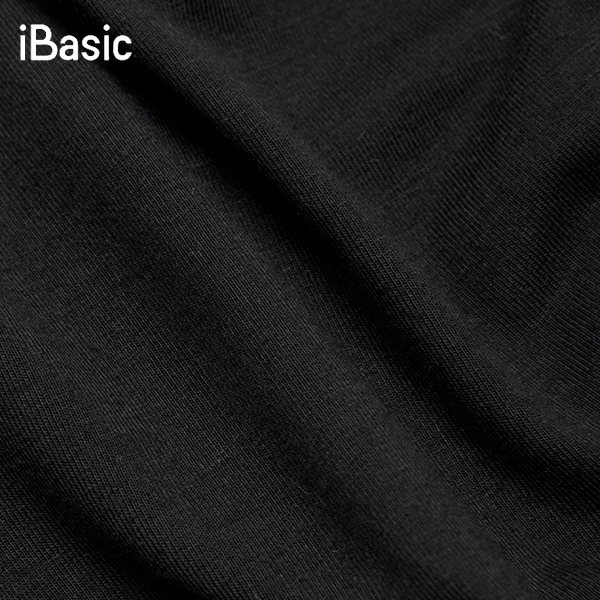
Modal is a plant-based fibre that feels noticeably softer and smoother than standard cotton. It drapes gently, stretches a little for easy movement, and stays cool against the skin.
For anyone with sensitive skin or a warm bedroom, modal hits a sweet spot between comfort and breathability.
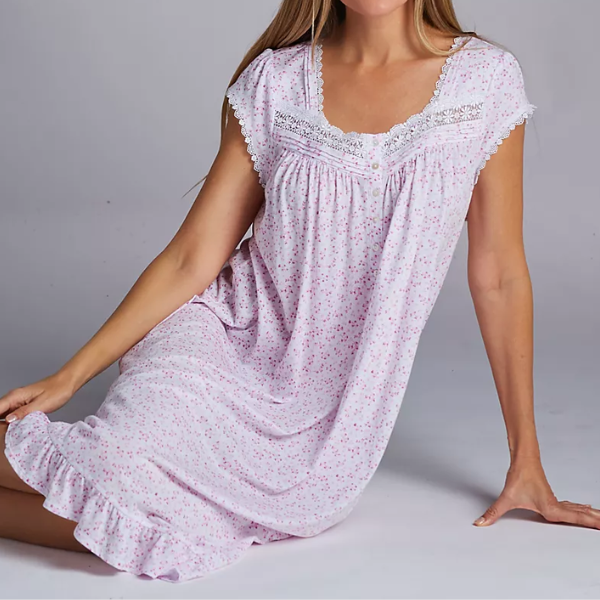
2.3. Bamboo, the sweat-fighter for hot nights
Bamboo-based fabric is the go-to when heat and sweat are the problem. It wicks moisture quickly and keeps airflow high, so it feels dry and cool even on humid nights.
If you regularly wake up warm or damp, a bamboo sleep dress is the most practical fix.
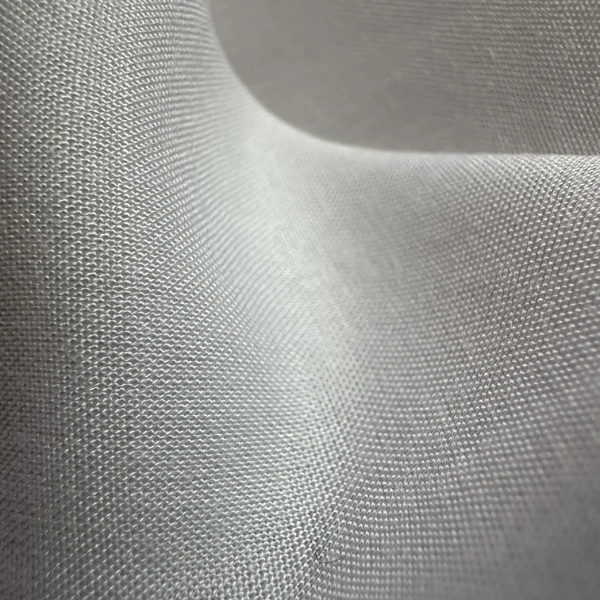
2.4. Satin, glamour and glide (weave, not fibre)
Satin describes a weave, not a fibre, which is why it can be made from polyester or silk.
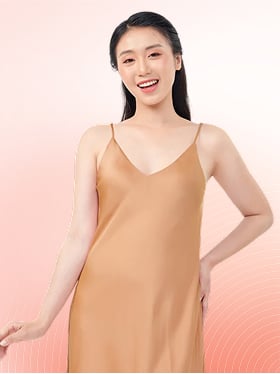
It gives that glossy surface and fluid drape that feels dressy and smooth on the body. It is less breathable than the others, so satin shines for special-occasion nights rather than a heatwave.
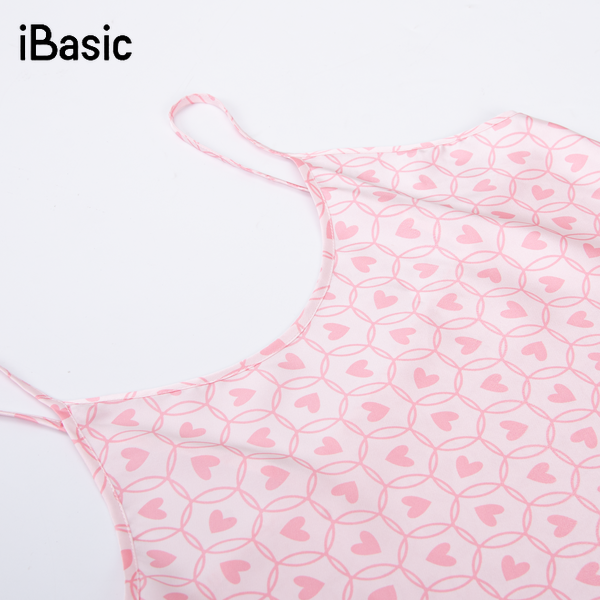
2.5. Silk, the temperature-regulating luxury
Silk is the premium choice that quietly does everything well. The natural fibre is soft, breathable, and adjusts to your body, staying cool when it is warm and warm when it is cool.
It costs more and needs gentle care, but few fabrics feel this good against the skin.
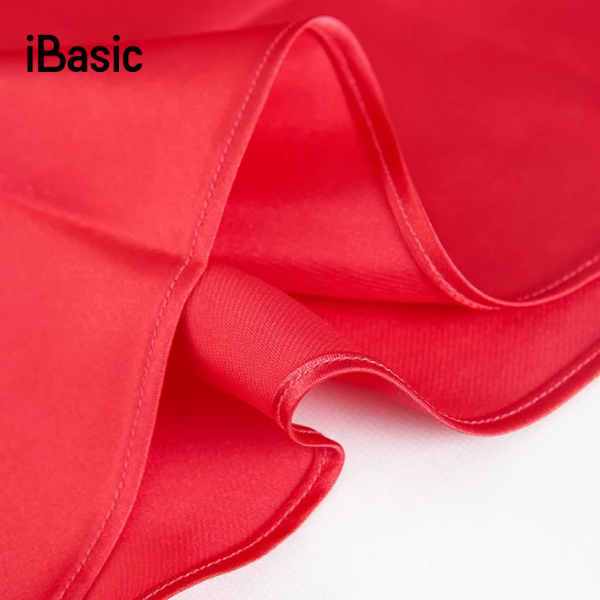
3. Which sleep dress fabric is best for your climate and sleeper type?
Match the fabric to your body and your bedroom. Hot or humid nights call for bamboo or modal, night sweats call for bamboo, cold nights suit cotton or silk, sensitive skin loves modal or silk, and special occasions belong to satin or silk.
- Hot, humid climate: bamboo or modal for maximum airflow and dryness.
- Frequent night sweats: bamboo first, then modal, for fast moisture-wicking.
- Cold or air-conditioned rooms: cotton for cosy warmth, silk for gentle regulation.
- Sensitive or reactive skin: modal or silk for low friction and softness.
- Special nights and gifting: satin or silk for drape and a luxe finish.
4. How do you care for each sleep dress fabric so it lasts?
Care depends on the fabric: cotton, modal and bamboo are low-maintenance, while satin and silk need a gentler hand. A few small habits keep colours bright and fibres soft far longer. Here is the quick routine for each.
- Cotton, modal, bamboo: machine wash cool on a gentle cycle, low heat or air dry, avoid harsh bleach.
- Satin: hand wash or use a mesh bag on delicate, cold water, and hang to dry away from direct sun.
- Silk: hand wash cold with a mild detergent, never wring, and dry flat in the shade.
- All fabrics: skip the tumble-dryer high heat and store folded loosely, not crushed, to protect the drape.
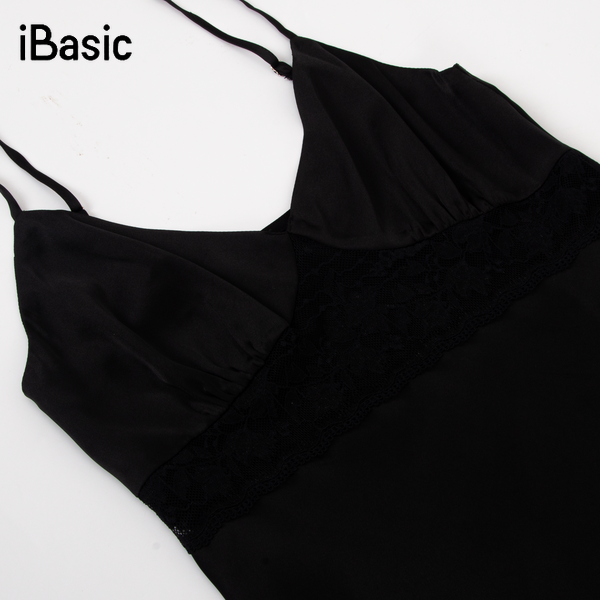
Frequently asked questions:
1. Is cotton or silk better for a sleep dress?
It depends on your priority.
Cotton is more breathable, hard-wearing and easy to wash, which makes it ideal for everyday sleep dresses.
Silk feels softer, regulates temperature better across warm and cool nights, and looks more luxurious, but it costs more and needs gentle care. For daily use pick cotton, for comfort and luxury pick silk.
2. What is the coolest fabric for a sleep dress in summer?
Bamboo is usually the coolest option because it wicks moisture fast and keeps airflow high, so it stays dry on humid nights. Modal is a close second with its light, cooling feel.
3. Is satin the same as silk for sleepwear?
No. Silk is a natural fibre, while satin is a weave that can be made from silk, polyester or other fibres. Silk breathes and regulates temperature better, so it is more comfortable for a full night.
4. What sleep dress fabric is best for sensitive skin?
Modal and silk are the kindest to sensitive skin. Both are smooth with very low friction, so they reduce irritation on delicate areas, and neither traps heat the way rough or synthetic weaves can.
If your skin reacts easily, choose a soft modal or pure silk sleep dress over stiffer fabrics.
5. Can you machine-wash a silk sleep dress?
It is safest to hand wash silk in cold water with a mild detergent, then dry it flat in the shade. Some silk pieces tolerate a machine's delicate cycle inside a mesh bag, but heat and hard spinning shorten the fabric's life.
More for you:
The iBasic takeaway:
The best fabric is simply the one that matches how you sleep: breathable cotton and cooling bamboo or modal for daily comfort, and satin or silk when you want that touch of luxury. Match the fabric to your climate and skin, and every night feels better.
Explore the sleep dress collection from iBasic to find the fabric that fits you best.